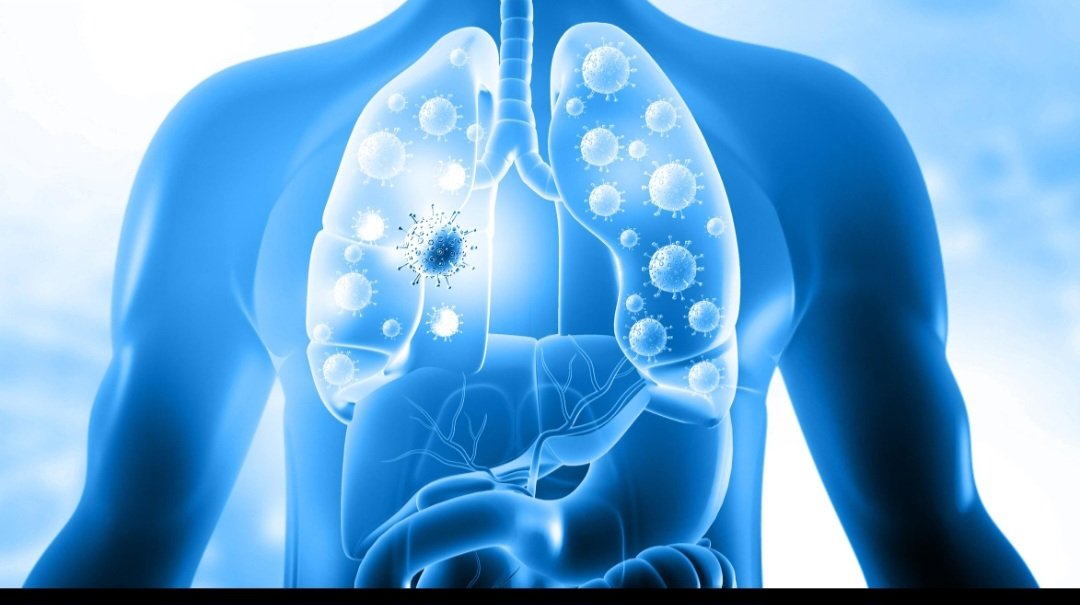
Health officials are monitoring a rise in cases of Human metapneumovirus (HMPV) in several parts of the United States, including California and New Jersey, according to recent public health reports.
The respiratory virus can cause both upper and lower respiratory infections, producing symptoms similar to other seasonal illnesses such as influenza and RSV. While most people recover without complications, medical experts say certain groups—particularly young children and older adults—face a higher risk of severe illness.
No Vaccine or Specific Treatment
The Centers for Disease Control and Prevention (CDC) says there is currently no vaccine or specific antiviral medication available to treat HMPV infections.
Instead, treatment focuses on supportive care, which involves managing symptoms while the body fights the virus naturally. Health experts recommend that individuals who become ill should:
Drink plenty of fluids, Stay home and rest, Monitor symptoms carefully.
In more serious cases where breathing becomes difficult, doctors may administer treatments such as oxygen therapy, according to the Cleveland Clinic. “Most people will recover on their own,” the CDC notes, though medical attention may be necessary if symptoms worsen.
Not a New Virus
Despite growing attention, HMPV is not a newly discovered virus. It was first identified in 2001 and has circulated globally for decades.
Data from the National Respiratory and Enteric Virus Surveillance System (NREVSS) indicates that the virus currently accounts for just over 5% of weekly positive respiratory virus tests, up from 3.83% the week before.
During a previous spike in April 2025, the percentage reached 7.43%, suggesting that periodic increases in infections are not unusual.
Increased Health System Activity
Health officials in New Jersey say rising HMPV cases—combined with ongoing infections from COVID-19, RSV, and seasonal flu—have contributed to a surge in people seeking care at emergency departments.
Meanwhile, in Northern California, elevated levels of the virus have been detected in wastewater monitoring systems through the WastewaterSCAN public database, which tracks infectious diseases through sewage samples.
Symptoms to Watch For
According to the CDC, common symptoms of HMPV include:
Persistent cough, Nasal congestion
Fever and Shortness of breath. In some cases, the infection may progress into bronchitis or pneumonia, particularly among vulnerable individuals.
The virus typically has an incubation period of three to six days, meaning symptoms can appear several days after exposure.
How to Prevent Infection
Although there is no vaccine available, health officials recommend following standard precautions used to prevent respiratory illnesses. These include:
Washing hands regularly, Avoiding touching the face with unwashed hands,
Staying away from people who are sick,
Cleaning frequently touched surfaces,
Improving indoor air quality and ventilation
People experiencing cold-like symptoms are also encouraged to cover their mouth and nose when coughing or sneezing to help limit the spread.
Seasonal Pattern
Like many respiratory viruses, HMPV typically circulates during winter and early spring, which is when health authorities often see the highest number of infections.
Public health experts stress that while most infections remain mild, awareness and preventive measures remain important to protect vulnerable populations.
Credit: USA TODAY