The world is in serious turmoil as wars and threats of war inundate the international scene. Powerful nations, in a rabid display of impunity, dare the rest of humanity and trample on the rights and existence of less-endowed countries.
The United Nations Organisation (UNO), with a mandate to check such excesses, seems to have run out of ideas on how to restore the sanity the world desperately needs.
Before everyone, the ineptitude of the League of Nations is playing out one more time. In 1920, the League of Nations was formed at the end of World War I. That decision was influenced by the international community’s desire to prevent future global conflicts, promote international cooperation, and ensure collective security.
The legal instrument that established it was the Treaty of Versailles, which aimed to settle disputes through negotiation rather than war.
The organisation was championed by the President of the United States of America (USA), President Woodrow Wilson, who sought to create a “general association of nations” to maintain world peace.
With the outbreak of World War II, it became clear that the League of Nations had failed to fulfil its mandate of preventing another war, ensuring collective security, and peacefully resolving international disputes.
The League, which was also mandated to foster international cooperation and reduce national armaments to the lowest level consistent with national safety, had capitulated.
The failure raised issues that made the establishment of a new body inevitable. Again, the United States of America played a key role in making the United Nations a reality when it was officially established on 24 October 1945, in the aftermath of World War II.
It was not by accident that its headquarters were sited in New York, United States of America. Representatives from 50 countries signed the UN Charter to foster cooperation, protect human rights, and prevent the devastation of war. Essentially, it was created to prevent future global conflicts and maintain international peace and security.
As a newspaper, we are persuaded to go on this memory lane just to point out how the so-called major powers, especially Russia, China and the United States, are deliberately kick-starting a process that may end up making the UN irrelevant.
In the first instance, the decision to designate some countries as Permanent Members with veto power, which requires them to agree on any issue before it can be implemented by the world body, was a booby trap. What it meant and still means is that a no-vote by any one of them, regardless of the opinion of the majority members, is enough to overrule everyone.
To be fair, the UN has achieved records it ought to be proud of, such as supervising decolonisation and the end of the Cold War. In our opinion, its major achievement, so far, has been the will to withstand the importunity of the five permanent members. That was possible because of the calibre and character of the past Secretaries General. The present occupant of that office can’t even speak up on matters that are inimical to world peace. What he is afraid of is difficult to figure out.
What, in our view, is compounding the challenges the UN faces is the ego of some world leaders, who conduct themselves as if the UN does not exist. Or that it exists to do their bidding.
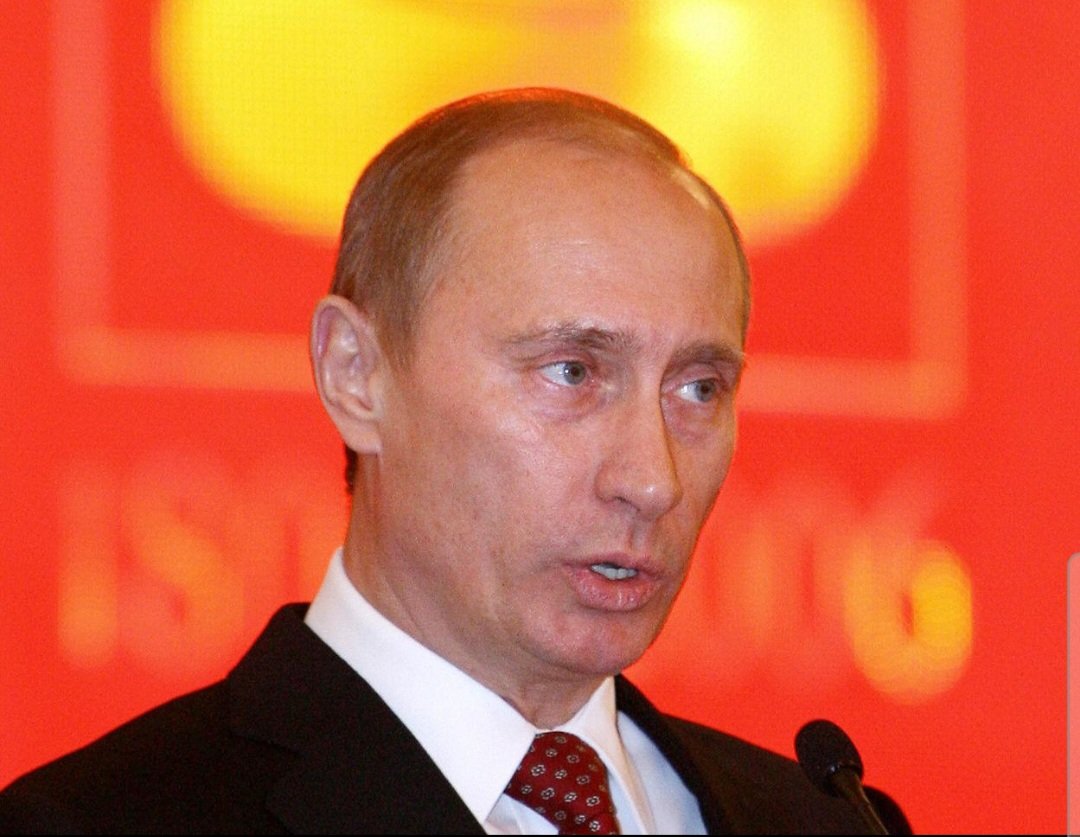
For instance, the President of Russia, Vladimir Putin defied the world and invaded Ukraine. That war is still raging despite a plethora of UN resolutions.
Encouraged by the toothless bulldog disposition of the world body, Israel destroyed the whole of Gaza just to avenge the excesses of a militant group, Hamas, ignoring outcries about the accompanying humanitarian catastrophe.
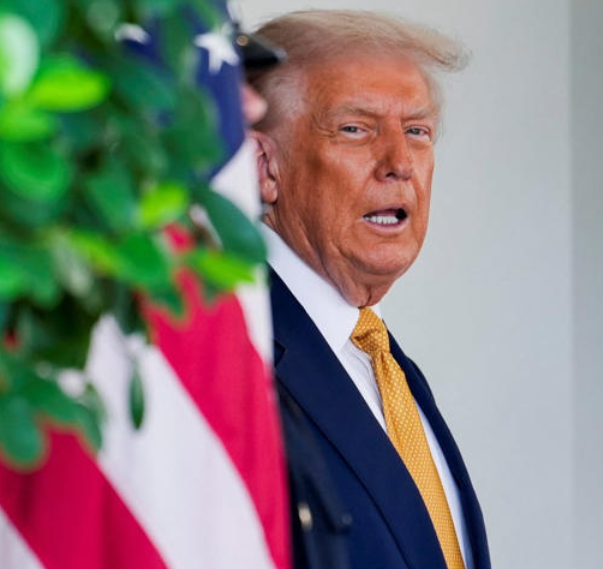
Not to be outdone, in our opinion, the President of the United States, Donald Trump, with the whole world watching, walked into Venezuela and grabbed the President, Nicolas Maduro and his wife from their bed. Not satisfied, he directed his military to breathe down on Iran, almost wiping out the entire leadership of that country.
In his reaction to arguments that he is trampling on international law, he retorted that he needed no such legal statute to enforce American interests.
Meanwhile, China is watching and biding its time to acquire Taiwan, which it views as its breakaway province. Who is going to stop that inordinately ambitious country in a hurry to take over the whole world?
While all this belligerence on the part of world powers is going on, the United Nations is, at best, despondent and helpless, realising it has been outsmarted in its own game.
The problem, dangerously lurking in international circles, is the absence of statesmen who care for future generations and are tempered by the realisation that the world must not end on account of a particular interest.
So far, the superpowers have resisted efforts to democratise the world body, in particular the Security Council. There is an urgent need to expunge the principle of Veto from its statutes. If every member of the UN is given equal rights and power, perhaps there may yet be hope for the world body’s future.
Until then, it is our opinion that the UN and its relevance in sustaining world peace are becoming uncomfortably in doubt.