Brent crude and West Texas Intermediate (WTI) futures gained back losses from Tuesday’s slip on Wednesday, recovering to around $91 and $87 per barrel, respectively, even as the International Energy Agency (IEA) greenlit its largest-ever emergency release of 400 million barrels from member states’ strategic reserves.
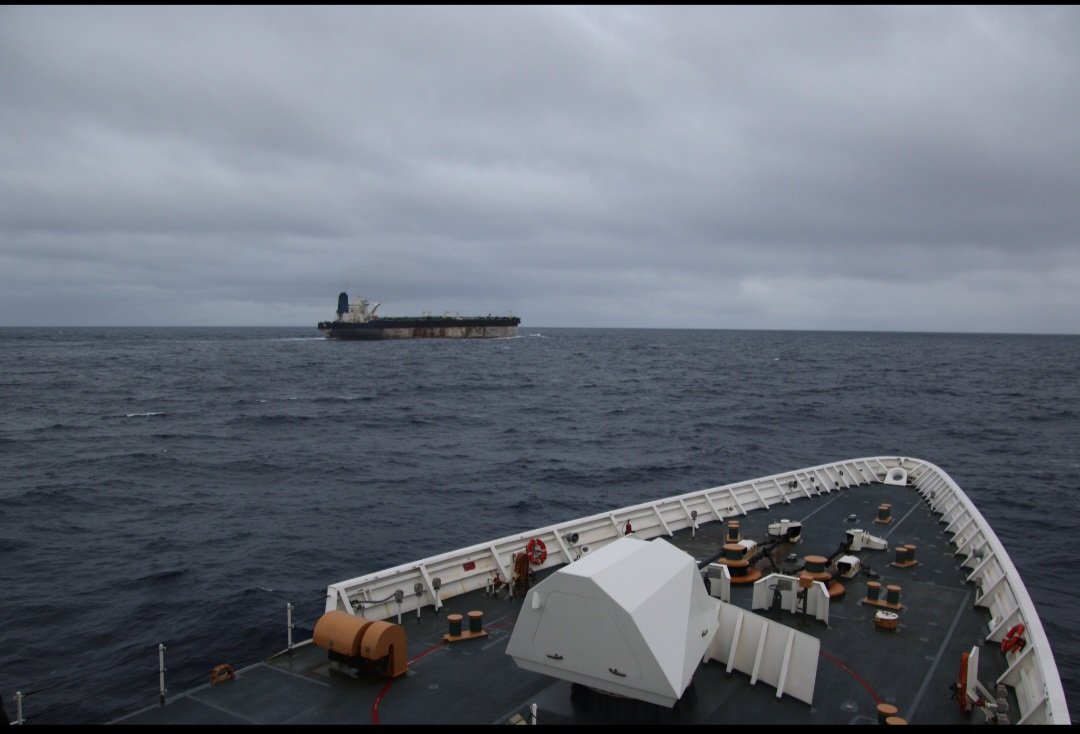
The rebound came amid heightened geopolitical tensions in the Strait of Hormuz, where ongoing attacks have rattled global energy markets. Brent briefly touched $93 per barrel earlier in the session before paring gains, while WTI approached $89 before settling lower.
Traders attributed the volatile swings to a delicate balance between supply fears from the Iran conflict and the anticipated influx of reserve oil, which could flood the market and temper price spikes.
The IEA’s decision marks a historic intervention, surpassing previous coordinated releases during crises like the 2022 Russia-Ukraine war. “This is a coordinated response to ensure energy security amid escalating risks in key chokepoints,” an IEA spokesperson told reporters. Member countries, including the US, Japan, and European nations, are set to begin drawdowns immediately, with full implementation expected within weeks.
Japan moved swiftly to signal its participation. Prime Minister Sanae Takaichi announced on Wednesday that Tokyo could tap its national reserves as early as next week.
“We stand ready to stabilise supplies for our economy and global partners,” Takaichi said in a televised address, underscoring Asia’s vulnerability to disruptions in the Middle East.
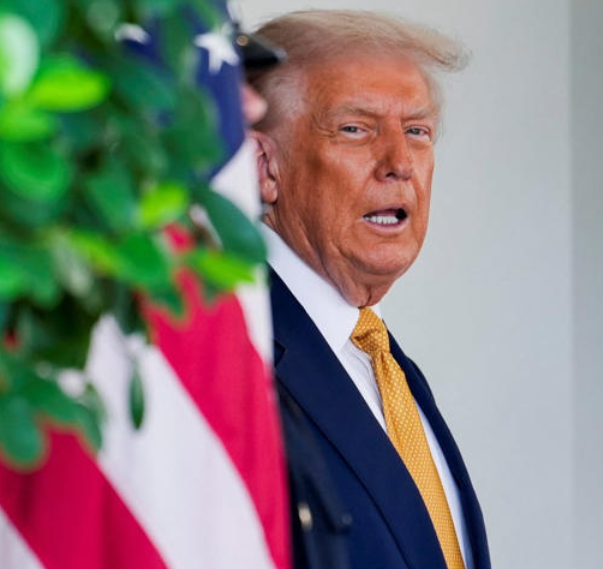
Meanwhile, mixed signals from Washington added to market uncertainty. In a brief phone interview with Axios, US President Donald Trump predicted the war would end “soon” because there is “practically nothing left to target.” Yet, just a day earlier, Defence Secretary Pete Hegseth warned of an impending “most intense day of strikes,” signalling potential escalation. For oil-dependent African economies like Nigeria, the developments carry high stakes. As Africa’s top crude producer, Nigeria has seen its budget strained by recent price volatility. The recovery to $91/b for Brent—Nigeria’s benchmark—offers some relief after Tuesday’s dip below $90, but the IEA flood risks capping it upside.
Analysts warn that prolonged Hormuz disruptions could push prices higher in the long term, benefiting exporters while squeezing importers such as Egypt and South Africa.OPEC, meanwhile, held steady in its March report, maintaining forecasts for global oil demand growth at 1.1 million barrels per day in 2026 and 1.35 million bpd in 2027.
“Demand fundamentals remain robust despite headwinds,” the cartel noted, citing steady economic recovery in China and India.
“The recovery reflects short-term supply optimism from reserves, but Hormuz risks could reignite rallies,” said John Kilduff, partner at Again Capital.
As of late trading, Brent stood at $91.20/b and WTI at $87.10/b, up 1.2 per cent and 1.5 per cent from Tuesday’s close.
The dual forces of conflict and coordination will shape oil’s trajectory in the coming days, with implications rippling from the Gulf to African refineries and pumps.